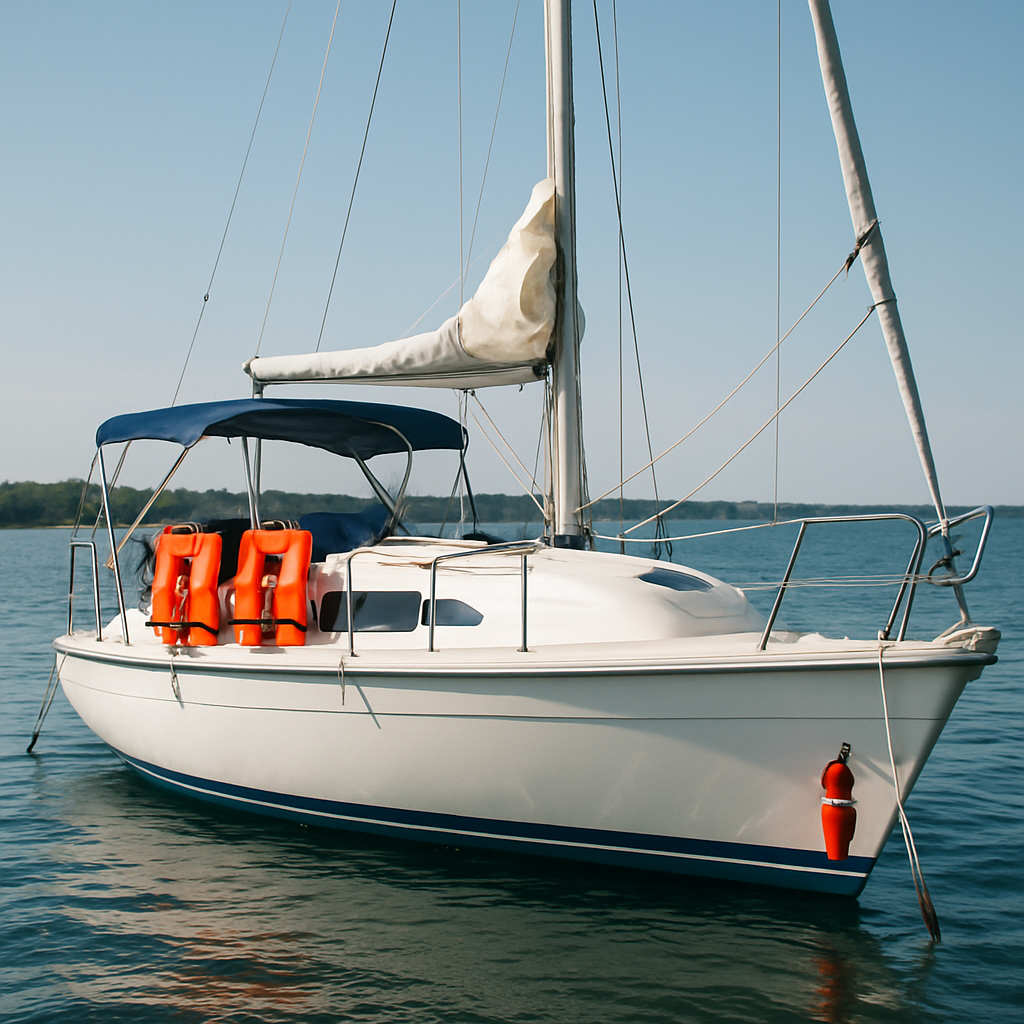
Navigating Safety: Your Ultimate Guide to Understanding Boat Safety Regulations and Staying Afloat
Are you ready to transform your boating experience from risky to remarkable? Understanding boat safety regulations isn’t just about following rules – it’s about protecting yourself, your loved ones, and ensuring every maritime adventure is a safe and memorable one.
Introduction to Boat Safety Regulations
Boat safety regulations form the critical backbone of responsible maritime navigation. These comprehensive guidelines aren’t just bureaucratic paperwork – they’re meticulously designed lifelines that protect boaters from potential hazards. Whether you’re a weekend sailor or a seasoned maritime enthusiast, comprehending these regulations can mean the difference between a thrilling journey and a potential disaster.
Historically, boat safety regulations have evolved dramatically. From rudimentary maritime laws to today’s sophisticated, technology-driven guidelines, these standards reflect our growing understanding of water-based risks. Modern regulations incorporate advanced technological insights, environmental considerations, and comprehensive safety protocols that address everything from personal equipment to vessel maintenance.
The Importance of Understanding Boat Safety
Why should you care about boat safety regulations? The answer is simple: survival and enjoyment. These regulations aren’t arbitrary restrictions but carefully crafted protective measures that:
- Minimize accident risks
- Standardize safety protocols
- Protect human life
- Preserve marine environments
- Reduce potential legal complications
Consider this: approximately 4,168 recreational boating accidents occurred in 2020, resulting in 767 fatalities and 3,191 injuries. Many of these incidents could have been prevented through proper understanding and implementation of safety regulations. By internalizing these rules, you not only protect yourself but also contribute to a safer boating community.
Key Boat Safety Regulations to Know
Navigating the complex world of boat safety regulations requires understanding several critical components:
Personal Safety Equipment
- Life Jackets: Regulations often require that there be a life jacket for each person on board. It’s essential to ensure that these are in good condition and easily accessible.
- Emergency Kits: These should include first aid supplies, signaling devices, and other essentials that can be crucial in an emergency.
Navigation and Communication
- Navigation Lights: Proper lighting is crucial for visibility, especially during night-time or in poor weather conditions. Regulations specify the types and placements of lights required for different vessels.
- Sound-Producing Devices: Devices like horns or whistles are necessary for signaling and communication, especially in crowded or low-visibility areas.
Vessel Requirements
- Fire Extinguishers: Boats are required to have fire extinguishers on board, and these must be regularly checked and maintained.
- Hull Integrity: Regular inspections for cracks or damage are essential to prevent water ingress and maintain buoyancy.
Documentation and Compliance
- Registration and Licensing: All boats must be properly registered and display the correct documentation as per regional regulations.
- Insurance: Having the right insurance coverage is not only a legal requirement in many areas but also a smart way to protect your investment.
Boat Safety and Regulations are the cornerstone of safe maritime practices. They encompass a wide range of guidelines that ensure both the vessel and its passengers are protected. By adhering to these regulations, boaters can significantly reduce the risk of accidents and enhance their overall boating experience. These regulations are not just about compliance; they are about creating a culture of safety and responsibility on the water.
How LeadGen academic-os.com Ensures Compliance with Safety Standards
At LeadGen academic-os.com, we don’t just talk about safety – we live it. Our comprehensive approach to boat safety includes:
- Detailed Safety Inspections: Our experts conduct thorough inspections to ensure every aspect of your boat meets the required safety criteria.
- Customized Compliance Recommendations: We provide tailored advice to address any potential safety issues, ensuring peace of mind for our clients.
- Advanced Technological Assessments: Utilizing the latest technology, we assess your vessel’s systems to ensure they are functioning optimally.
- Expert Consultation Services: Our team is always available to answer questions and provide guidance on best safety practices.
Our team of certified marine safety professionals understands that each vessel is unique, requiring personalized safety strategies. We work closely with boat owners to develop comprehensive safety plans that are both effective and easy to implement.
Mobile Boat Mechanic Services and Safety Checks
Our mobile boat mechanic services bring expertise directly to you. We conduct:
- Comprehensive Engine Diagnostics: Ensuring your engine is running smoothly and efficiently is crucial for safety and performance.
- Electrical System Evaluations: Faulty wiring or electrical components can pose significant safety risks, and our experts are trained to identify and rectify these issues.
- Hull and Structural Integrity Assessments: Regular checks for damage or wear can prevent costly repairs and ensure your vessel remains seaworthy.
- Real-Time Safety Recommendations: Our mechanics provide on-the-spot advice to improve safety and performance, tailored to your specific vessel and usage.
By bringing professional services to your location, we minimize downtime and maximize your vessel’s safety potential. This convenience allows you to focus on enjoying your time on the water, knowing that your boat is in top condition.
Common Boat Safety Violations and How to Avoid Them
Understanding potential violations helps prevent costly mistakes. Common issues include:
Overloading
Exceeding recommended passenger or cargo limits compromises vessel stability. Always respect manufacturer guidelines and consider the weight distribution on board to maintain balance and control.
Inadequate Safety Equipment
Ensure all required safety gear is:
- Present: Double-check that all necessary equipment is on board before setting sail.
- Functional: Regularly test equipment to ensure it works when needed.
- Easily Accessible: Store equipment in locations that are easy to reach in an emergency.
- Regularly Maintained: Schedule routine checks to keep equipment in optimal condition.
Navigation Errors
Proper lighting and communication prevent potential collisions. Stay informed about local maritime regulations and update your knowledge regularly to adapt to any changes in the law.
Boat Registration and Licensing are crucial components of legal compliance in boating. Ensuring your vessel is properly registered and licensed not only fulfills legal obligations but also enhances safety by providing a clear record of ownership and vessel specifications. This process helps authorities in monitoring and managing maritime traffic, contributing to a safer boating environment for everyone.
The Role of Regular Maintenance in Boat Safety
Consistent maintenance isn’t optional – it’s essential. Regular check-ups:
- Identify Potential Mechanical Issues: Early detection of problems can prevent breakdowns and accidents.
- Prevent Unexpected Breakdowns: Routine maintenance reduces the likelihood of mechanical failures that could leave you stranded.
- Extend Vessel Lifespan: Proper care and maintenance can significantly increase the longevity of your boat.
- Maintain Optimal Performance: Keeping your vessel in peak condition ensures a smooth and enjoyable boating experience.
Recommended maintenance frequency varies by vessel type, usage, and manufacturer recommendations. It’s important to develop a maintenance schedule that suits your specific needs and stick to it diligently.
Safety Equipment Requirements are vital for ensuring that every voyage is prepared for emergencies. These requirements specify the necessary equipment that must be on board, such as life jackets, fire extinguishers, and sound-producing devices. By meeting these requirements, boaters can ensure they are equipped to handle unexpected situations, thereby safeguarding lives and enhancing the overall safety of their maritime adventures.
Conclusion: Your Safety, Our Priority
Understanding boat safety regulations transforms potential risks into confident, enjoyable maritime experiences. By staying informed, prepared, and proactive, you’re not just following rules – you’re creating a culture of responsible boating.
Remember: Safety isn’t expensive; it’s priceless. Invest in knowledge, equipment, and professional support to ensure every journey is a safe adventure.
Ready to elevate your boating safety? Contact LeadGen academic-os.com today and set sail with confidence!
Disclaimer: Always consult local maritime authorities and professional experts for the most current safety regulations specific to your region and vessel type.