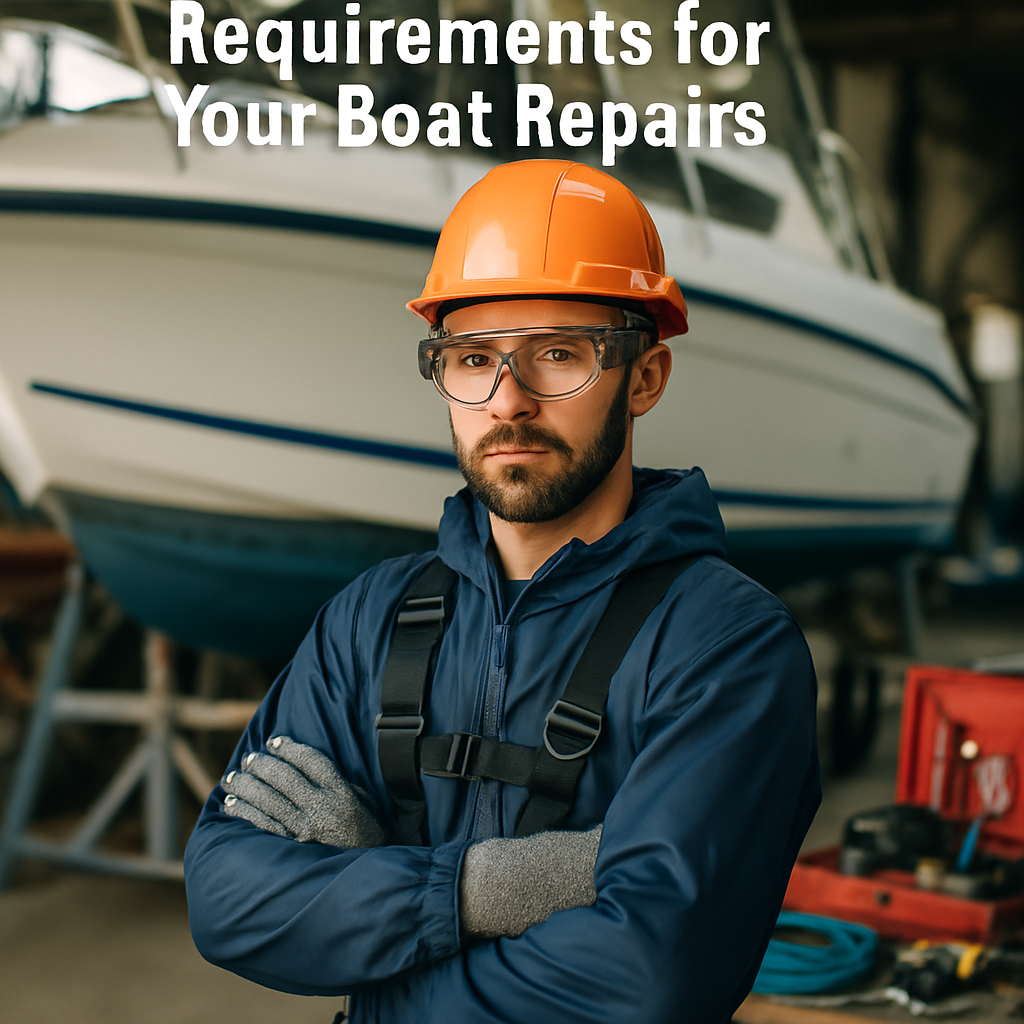
Navigating Safety: Protect Yourself and Your Crew with Essential Boat Repair Safety Equipment
Are you a boat mechanic who wants to stay safe while getting the job done? Imagine working on a vessel, knowing you’re fully protected from potential hazards. This comprehensive guide to safety equipment requirements will be your ultimate roadmap to workplace safety in marine repair.
Understanding Safety Equipment Regulations for Boat Repairs
Safety isn’t just a buzzword – it’s a critical lifeline in the marine repair industry. Navigating the complex landscape of safety regulations requires a deep understanding of various regulatory frameworks that protect workers and ensure operational excellence.
Key Regulatory Frameworks
Marine safety regulations are intricate and multifaceted. The International Maritime Organization (IMO) sets global standards that serve as the foundation for workplace safety. In the United States, the Occupational Safety and Health Administration (OSHA) provides detailed guidelines specific to marine repair environments.
These regulations aren’t just bureaucratic paperwork – they’re literally life-saving protocols designed to:
- Minimize workplace accidents
- Protect workers from potential hazards
- Establish clear safety protocols
- Ensure consistent safety standards across the industry
Local maritime authorities often add another layer of specificity, creating region-specific requirements that address unique environmental and operational challenges. Understanding these nuances is crucial for compliance and safety.
Essential Safety Gear for Mobile Boat Mechanics
Mobile boat mechanics face unique challenges that demand specialized safety equipment. Your gear is your first line of defense against potential workplace risks.
Must-Have Personal Protective Equipment (PPE)
- Head Protection
- High-quality safety helmets
- Impact-resistant designs
- Adjustable fitting mechanisms
- Hand Protection
- Cut-resistant gloves
- Chemical-resistant materials
- Ergonomic designs for maximum dexterity
- Eye and Face Protection
- Anti-fog safety goggles
- Face shields for additional protection
- UV and impact-resistant lenses
- Protective Clothing
- Water-resistant work suits
- High-visibility jackets
- Flame-retardant materials
Specialized Marine Safety Equipment
- Waterproof life jackets
- Safety harnesses
- Non-slip work boots
- Respiratory protection masks
- Electrical safety equipment
Each piece of equipment serves a specific purpose, ensuring that mechanics are protected from the diverse hazards they may encounter, from chemical spills to electrical shocks.
How LeadGen academic-os.com Ensures Compliance with Safety Standards
At LeadGen academic-os.com, safety isn’t just a requirement – it’s a core company value. Our comprehensive approach to safety management goes beyond basic compliance.
Comprehensive Safety Strategy
- Proactive Risk Assessment: Regular evaluations of potential workplace hazards
- Advanced Training Programs: Continuous skill development for employees
- State-of-the-Art Equipment: Investing in the latest safety technologies
- Regular Compliance Audits: Ensuring ongoing adherence to industry standards
By integrating these strategies, LeadGen academic-os.com not only meets but often exceeds industry safety standards, setting a benchmark for others in the field.
The Importance of Regular Safety Equipment Inspections
Equipment degradation is a silent threat. Regular inspections are your primary defense against potential equipment failures that could compromise worker safety.
Inspection Protocols
- Visual Examinations
- Check for visible wear and tear
- Inspect structural integrity
- Assess overall equipment condition
- Functional Testing
- Verify operational effectiveness
- Test safety mechanisms
- Simulate potential stress scenarios
- Documentation
- Maintain detailed inspection logs
- Track equipment history
- Create comprehensive maintenance records
Regular inspections not only ensure safety but also extend the lifespan of equipment, providing long-term cost savings and reliability.
Training and Certification for Safety in Boat Repair Services
Knowledge is power – especially when it comes to workplace safety. Comprehensive training programs transform good intentions into practical safety skills.
Certification Pathways
- Basic Safety Certification
- Advanced Marine Repair Safety
- Emergency Response Training
- Specialized Equipment Handling
These certifications ensure that all personnel are equipped with the necessary skills to handle safety equipment effectively and respond appropriately in emergencies.
Innovations in Safety Equipment for the Marine Repair Industry
Technology is revolutionizing safety equipment. Cutting-edge innovations are making marine repair environments safer and more efficient.
Emerging Technologies
- Smart wearable safety devices
- AI-powered risk prediction systems
- Advanced material technologies
- Real-time monitoring equipment
These innovations not only enhance safety but also improve operational efficiency, allowing mechanics to work smarter and safer.
Case Studies: Safety Equipment in Action at academic-os.com
Real-world examples demonstrate the tangible impact of robust safety protocols. These case studies highlight how proper equipment and training prevent accidents and save lives.
Success Stories
- Zero workplace injury records
- Successful emergency response implementations
- Cost savings through proactive safety management
These case studies serve as powerful testimonials to the effectiveness of comprehensive safety strategies.
Boat Safety and Regulations
Boat Safety and Regulations are the backbone of any marine operation. They ensure that every vessel, whether in repair or operation, adheres to the highest safety standards. These regulations are not just about compliance; they are about creating a culture of safety that permeates every aspect of marine work. By understanding and implementing these regulations, companies can significantly reduce the risk of accidents and enhance the overall safety of their operations.
Understanding Boat Safety Regulations
Understanding Boat Safety Regulations is crucial for anyone involved in marine repair. These regulations provide a framework for safe operations, detailing everything from equipment requirements to emergency procedures. By familiarizing yourself with these regulations, you can ensure that your work environment is not only compliant but also safe for everyone involved. This understanding is the first step towards creating a safer, more efficient workplace.
Emergency Procedures on Boats
Emergency Procedures on Boats are essential for ensuring the safety of all personnel on board. These procedures outline the steps to take in the event of an emergency, such as a fire or a man-overboard situation. By having clear, well-practiced emergency procedures, you can ensure that everyone knows their role and can act quickly and efficiently in a crisis. This preparedness can make all the difference in an emergency situation, potentially saving lives and minimizing damage.
Conclusion: Your Safety, Our Priority
Safety equipment requirements are more than regulatory checkboxes – they’re fundamental to protecting human lives. By understanding regulations, investing in quality equipment, and maintaining rigorous training standards, boat mechanics can create safer, more efficient work environments.
Remember, in marine repair, your safety gear is as crucial as your technical skills. Stay informed, stay prepared, and stay safe.