Navigational Rules for Boating: Your Ultimate Guide to Safe and Confident Sailing
Are you ready to master the art of safe boating? Whether you’re a weekend warrior or a seasoned sailor, understanding navigational rules can mean the difference between a smooth voyage and a potential disaster. In this comprehensive guide, we’ll dive deep into the world of maritime navigation, helping you navigate waters with confidence and skill.
Understanding the Basics of Navigational Rules
Navigational rules are the traffic laws of the water – critical guidelines that keep everyone safe on the maritime highways. Think of them as the unwritten code that prevents chaos and ensures smooth sailing for everyone. At their core, these rules are about communication, respect, and predictability.
Key Components of Navigational Rules
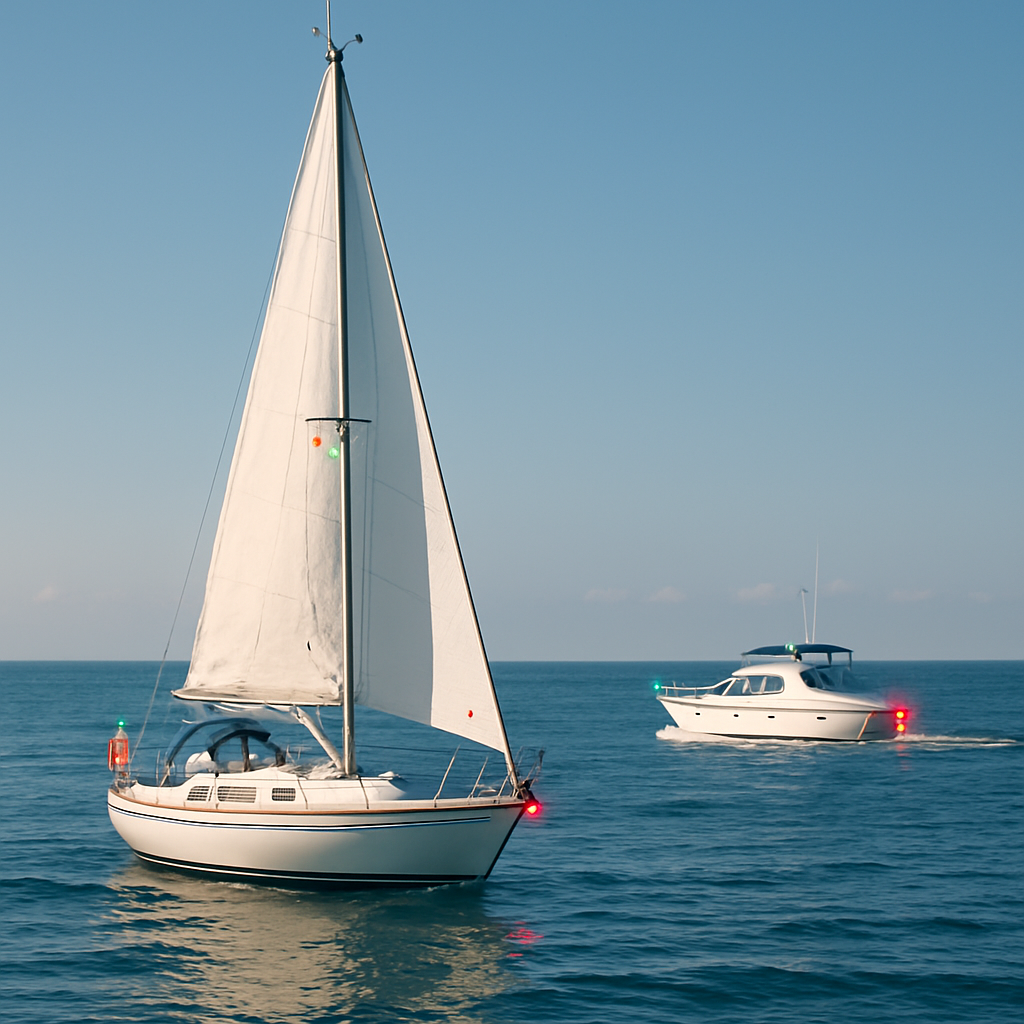
- Right of Way Principles: Just like on roads, boats have specific rules about who goes first. Understanding these principles is crucial for avoiding collisions. For instance, power-driven vessels must give way to sailing vessels, and vessels overtaking another must yield. This hierarchy ensures that all boaters know their responsibilities in various situations.
- Visibility and Communication: Navigation lights and sound signals are your primary language on the water. They help you communicate your intentions to other vessels, especially in low visibility conditions like fog or nighttime. Proper use of these signals can prevent misunderstandings and accidents.
- Speed and Distance Management: Knowing how to maintain safe distances is crucial. This involves understanding the concept of safe speed, which varies depending on traffic density, visibility, and weather conditions. Keeping a safe distance from other vessels and obstacles is essential for giving yourself enough time to react to unexpected situations.
Did you know that most boating accidents happen because of simple misunderstandings of these basic rules? It’s true! One wrong move can turn a pleasant day on the water into a potential nightmare. By familiarizing yourself with these rules, you can significantly reduce the risk of accidents and enjoy a safer boating experience.
How Navigational Rules Impact Boat Repairs
Here’s something most boaters don’t realize: navigational mistakes can lead to serious – and expensive – boat damage. Every collision, every unexpected grounding, puts stress on your vessel that goes far beyond a simple scratch.
Common Repair Issues Caused by Navigational Errors
- Hull Damage: Collisions can create structural weaknesses that compromise your boat’s integrity. Even minor impacts can lead to cracks or leaks that require costly repairs. Regular inspections and prompt repairs are essential to maintain the structural integrity of your vessel.
- Engine Strain: Improper navigation can cause unexpected stress on your marine engine. For example, running aground can damage the propeller or lower unit, leading to engine malfunctions. Regular maintenance and careful navigation can help prevent these issues.
- Electrical System Complications: Water-related accidents often result in complex electrical repairs. Saltwater exposure can corrode electrical components, leading to failures in critical systems like navigation lights and communication devices. Ensuring that your electrical systems are well-protected and regularly inspected can prevent these problems.
Pro tip: Prevention is always cheaper than repair. Understanding navigational rules can save you thousands in potential maintenance costs. By investing in proper training and equipment, you can avoid costly repairs and extend the lifespan of your boat.
The Role of a Mobile Boat Mechanic in Ensuring Compliance
Mobile boat mechanics are like the guardian angels of maritime safety. They’re not just repair technicians – they’re your partners in maintaining a vessel that meets all navigational standards.
What Mobile Mechanics Bring to the Table
- On-site Inspections: Comprehensive checks of your boat’s critical systems. Mobile mechanics can perform inspections at your convenience, ensuring that your vessel is seaworthy and compliant with safety regulations. This service is especially valuable for busy boaters who may not have time to transport their boat to a repair facility.
- Emergency Repair Services: Quick solutions when things go wrong. Whether you’re dealing with a mechanical failure or damage from a navigational error, mobile mechanics can provide prompt repairs to get you back on the water safely.
- Compliance Consultation: Expert advice on meeting maritime safety standards. Mobile mechanics can help you understand and comply with the latest regulations, ensuring that your boat is equipped with the necessary safety features and equipment.
Imagine having a professional who can diagnose and fix issues right where your boat is docked. That’s the magic of mobile boat mechanics! Their expertise and convenience make them an invaluable resource for any boater looking to maintain a safe and reliable vessel.
Common Navigational Mistakes and How to Avoid Them
Even experienced boaters can fall into traps that compromise safety. Let’s break down the most common navigational blunders:
Top Navigational Pitfalls
- Ignoring Right of Way Rules: Failing to yield can lead to dangerous situations. Always be aware of your surroundings and the rules. By understanding and respecting right of way principles, you can avoid conflicts and ensure a smooth passage for all vessels.
- Improper Use of Navigation Lights: Ensure all lights and signals are functioning correctly and used appropriately. This is especially important in low visibility conditions, where clear communication is essential for preventing collisions.
- Overconfidence in Familiar Waters: Familiarity can breed complacency. Always remain vigilant and adhere to navigational rules, even in waters you know well. Conditions can change rapidly, and unexpected obstacles can appear at any time.
- Failing to Monitor Weather Conditions: Weather can change quickly on the water, and failing to monitor conditions can lead to dangerous situations. Always check the forecast before heading out and be prepared to adjust your plans if necessary.
- Inadequate Communication with Other Vessels: Clear communication is key to avoiding misunderstandings and ensuring safe navigation. Use sound signals and radio communication to convey your intentions to other boaters.
Each of these mistakes can turn a pleasant day on the water into a potential disaster. The key is awareness, preparation, and continuous learning. By staying informed and practicing good seamanship, you can avoid these common pitfalls and enjoy a safer boating experience.
The Importance of Regular Maintenance for Safe Navigation
Maintenance isn’t just about keeping your boat looking good – it’s about ensuring your safety on the water. Think of your boat like a complex machine that needs consistent care and attention.
Critical Maintenance Checklist
- Engine Systems: Regular servicing prevents unexpected breakdowns. This includes checking oil levels, inspecting belts and hoses, and ensuring that the cooling system is functioning properly. A well-maintained engine is less likely to fail when you need it most.
- Hull Integrity: Routine inspections catch potential issues early. Look for signs of damage, such as cracks or blisters, and address them promptly to prevent further deterioration. A strong hull is essential for maintaining buoyancy and stability.
- Navigation Equipment: Ensuring all electronic systems are functioning correctly. This includes GPS, radar, and communication devices. Regularly updating software and checking for malfunctions can prevent navigation errors and ensure that you have the information you need to make safe decisions.
A well-maintained boat is a safe boat. Period. By investing in regular maintenance, you can prevent costly repairs, extend the life of your vessel, and enjoy peace of mind on the water.
Advanced Navigational Techniques for Experienced Boaters
For those looking to elevate their maritime skills, advanced navigation techniques can make a world of difference.
Next-Level Navigation Skills
- Advanced GPS Utilization: Modern GPS systems offer a wealth of information beyond basic location tracking. Learn how to use features like route planning, waypoint marking, and real-time traffic updates to enhance your navigation skills.
- Weather Pattern Reading: Understanding and interpreting weather patterns can help you avoid hazardous conditions. Learn to read weather maps, recognize signs of changing weather, and make informed decisions about when to set sail.
- Complex Maneuvering Techniques: Mastering techniques such as docking in challenging conditions and handling rough seas can enhance your confidence and safety on the water. Practice these skills regularly to build proficiency.
- Electronic Charting: Electronic charts provide detailed information about waterways, including depth contours, hazards, and navigation aids. Familiarize yourself with these tools to enhance your situational awareness and planning capabilities.
- Radar and Sonar Interpretation: These technologies can help you detect other vessels, obstacles, and underwater features. Learn how to interpret radar and sonar data to make informed decisions and avoid potential hazards.
These skills separate good boaters from great ones. They’re not just about technology – they’re about understanding the water around you. By mastering advanced techniques, you can navigate with greater precision and confidence, ensuring a safer and more enjoyable boating experience.
How academic-os.com Supports Safe and Efficient Boating
At academic-os.com, we’re more than just a boat repair service. We’re your partners in maritime safety and excellence.
Our Commitment to Boaters
- Expert Mobile Repair Services: Our team of skilled technicians provides on-site repairs and maintenance, ensuring that your boat is always in top condition. Whether you need routine maintenance or emergency repairs, we’re here to help.
- Comprehensive Safety Consultations: We offer personalized consultations to help you understand and comply with safety regulations. Our experts can assess your vessel and provide recommendations for improving safety and performance.
- Cutting-Edge Diagnostic Technologies: We use the latest diagnostic tools to identify and address issues quickly and accurately. This ensures that your boat receives the best possible care and that potential problems are caught early.
- Personalized Maintenance Plans: We work with you to develop a maintenance plan tailored to your specific needs and boating habits. This proactive approach helps prevent issues before they arise and keeps your vessel running smoothly.
We don’t just fix boats – we help you become a better, safer boater. Our commitment to quality and customer satisfaction ensures that you can enjoy your time on the water with confidence.
Boat Safety and Regulations
Boat Safety and Regulations are the backbone of responsible boating. They encompass a wide range of guidelines and laws designed to protect both boaters and the environment. By adhering to these regulations, you ensure not only your safety but also the safety of others on the water. These rules cover everything from equipment requirements to operational procedures, making them essential knowledge for anyone taking to the seas. Staying informed about the latest regulations and ensuring compliance is a key part of responsible boating.
Emergency Procedures on Boats
Emergency Procedures on Boats are crucial for handling unexpected situations. Whether it’s a sudden storm, a medical emergency, or a mechanical failure, knowing the right steps can make all the difference. These procedures are designed to keep you and your passengers safe until help arrives. Regular drills and staying informed about the latest safety protocols can significantly enhance your preparedness and confidence on the water. Being prepared for emergencies is an essential part of safe boating.
Environmental Regulations for Boating
Environmental Regulations for Boating play a vital role in preserving our waterways for future generations. These regulations focus on minimizing the ecological impact of boating activities, such as fuel spills, waste disposal, and wildlife protection. By following these guidelines, boaters contribute to the health of marine ecosystems and ensure that the beauty of our natural resources remains unspoiled. Being environmentally conscious is not just a responsibility; it’s a commitment to sustainable boating practices. By adopting eco-friendly habits, you can help protect the environment and ensure that future generations can enjoy the same natural beauty that you do.
Final Thoughts: Navigational rules aren’t just regulations – they’re your roadmap to safe, enjoyable boating. By understanding these principles, maintaining your vessel, and continuously learning, you’ll transform from a casual boater to a true maritime professional.
Ready to take your boating skills to the next level? Your journey starts here.