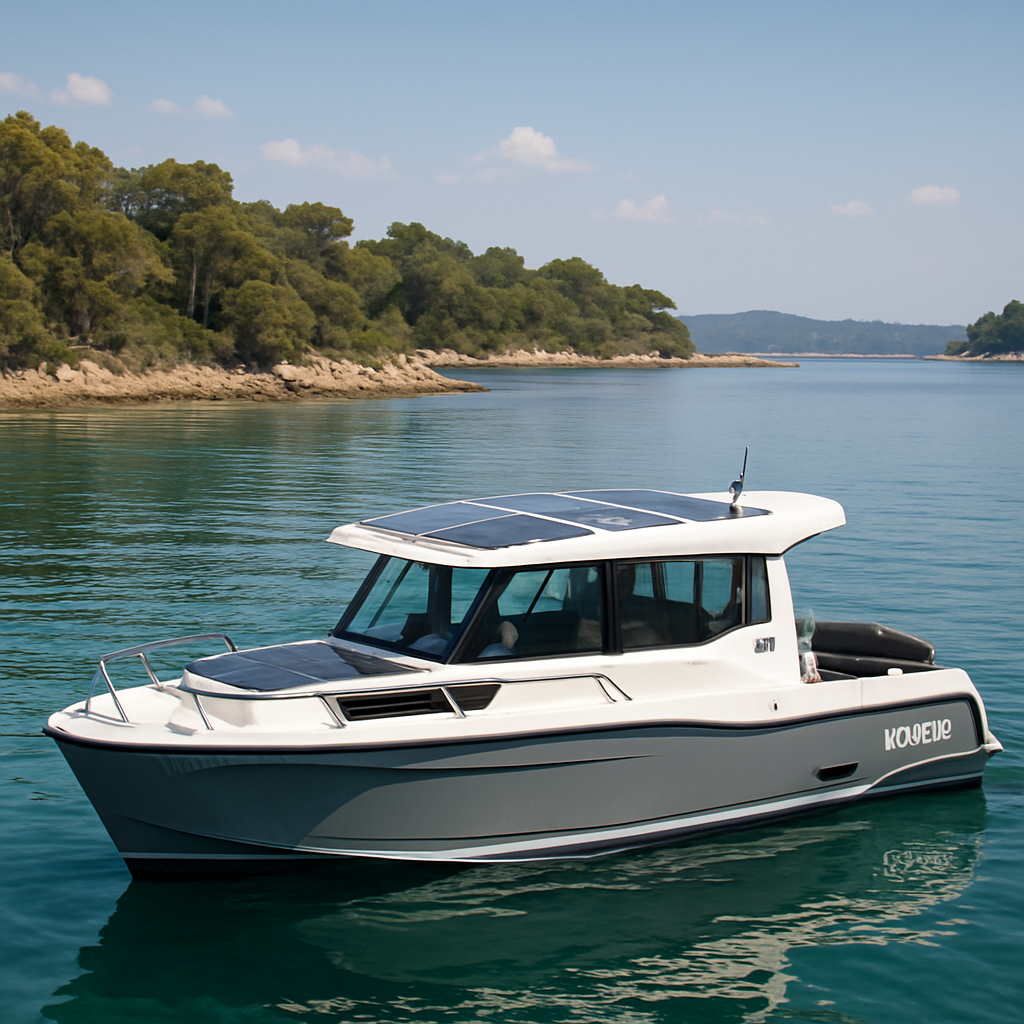
Navigating the Waters of Sustainability: Your Ultimate Guide to Environmental Regulations for Boating
Are you a boat owner wondering how to keep your maritime adventures both exciting and environmentally responsible? Dive into the world of environmental regulations that are reshaping the boating industry, and discover how you can sail smoothly while protecting our precious waterways!
Understanding Environmental Regulations for Boating
Environmental regulations for boating have become increasingly complex and critical in recent years. These regulations aren’t just bureaucratic red tape – they’re essential safeguards protecting our marine ecosystems. From the Great Lakes to coastal waters, boat owners now face a comprehensive framework of rules designed to minimize ecological impact.
The landscape of marine environmental protection has dramatically evolved. Federal agencies like the Environmental Protection Agency (EPA) and the Coast Guard have implemented stringent guidelines covering multiple aspects of boating:
- Emissions control: Regulations require boats to meet specific emissions standards to reduce air pollution. This includes limits on nitrogen oxides, hydrocarbons, and carbon monoxide emissions.
- Waste management: Proper disposal of sewage and garbage is mandated to prevent water pollution. Boats must have adequate waste storage facilities and use pump-out stations.
- Chemical usage: Restrictions on the use of harmful chemicals, such as antifouling paints containing toxic substances, are enforced to protect marine life.
- Marine habitat protection: Certain areas are designated as protected zones where boating activities are limited to preserve sensitive ecosystems.
- Fuel efficiency standards: Encouraging the use of fuel-efficient engines and alternative energy sources, such as electric or hybrid propulsion systems, is a growing trend.
What does this mean for the average boat owner? It’s simple: you need to be more conscious than ever about your vessel’s environmental footprint. Gone are the days when boating was a consequence-free recreational activity. Today, responsible boating means understanding and adhering to these regulations to ensure the health of our waterways for future generations.
The Role of Mobile Boat Mechanics in Ensuring Compliance
Mobile boat mechanics have emerged as unsung heroes in the environmental regulation landscape. These professionals are your frontline defense against potential environmental violations. They bring expertise directly to your marina or dock, conducting comprehensive inspections and ensuring your boat meets current environmental standards.
Key responsibilities of modern mobile boat mechanics include:
- Conducting thorough environmental compliance checks: Mobile mechanics assess your boat’s systems to ensure they meet emissions and waste management standards.
- Recommending eco-friendly repair and maintenance solutions: They suggest sustainable alternatives for repairs, such as using biodegradable lubricants and environmentally safe cleaning products.
- Updating boat systems to meet current regulatory requirements: Mechanics can retrofit older boats with modern, compliant technologies, such as catalytic converters and advanced fuel systems.
- Providing detailed documentation for regulatory compliance: They offer records of inspections and repairs, which can be crucial for demonstrating compliance during regulatory checks.
By working with skilled mobile mechanics, you’re not just maintaining your boat – you’re actively contributing to marine conservation efforts. Their expertise ensures that your vessel operates efficiently and sustainably, reducing its environmental impact.
How LeadGen academic-os.com Supports Eco-Friendly Boating
LeadGen academic-os.com has positioned itself as a leader in sustainable boating solutions. Their approach goes beyond traditional repair services, offering holistic environmental support for boat owners.
Innovative services include:
- Comprehensive environmental compliance assessments: LeadGen academic-os.com conducts detailed evaluations of your boat’s systems to identify areas for improvement and ensure compliance with regulations.
- Customized sustainability consulting: They provide tailored advice on how to reduce your boat’s environmental impact, from selecting eco-friendly materials to optimizing fuel efficiency.
- Advanced eco-friendly repair techniques: Their technicians are trained in the latest sustainable repair methods, ensuring that your boat is both functional and environmentally responsible.
- Real-time regulatory update notifications: Stay informed about changes in environmental regulations with timely alerts and guidance from LeadGen academic-os.com.
Their mobile service model means you get professional, convenient support without disrupting your boating schedule. By partnering with LeadGen academic-os.com, you can enjoy peace of mind knowing that your boating practices align with the highest environmental standards.
Common Environmental Violations in Boating and How to Avoid Them
Environmental violations can be costly – both financially and ecologically. Common infractions include:
- Improper waste disposal: Discharging untreated sewage or garbage into the water can lead to significant fines and environmental damage.
- Uncontrolled fuel and oil leakage: Leaks from engines or fuel tanks can contaminate water and harm marine life.
- Using non-compliant cleaning products: Many conventional cleaning agents contain harmful chemicals that can pollute waterways.
- Inadequate engine maintenance: Poorly maintained engines can emit excessive pollutants and reduce fuel efficiency.
- Ignoring local marine protection zones: Boating in restricted areas can disturb sensitive habitats and result in penalties.
Prevention strategies:
- Regular maintenance checks: Schedule routine inspections with a qualified mechanic to ensure your boat’s systems are in good working order.
- Using biodegradable cleaning products: Opt for environmentally friendly alternatives that are safe for aquatic ecosystems.
- Proper waste management systems: Install and use onboard waste storage facilities and pump-out stations to dispose of sewage responsibly.
- Staying informed about local regulations: Keep up-to-date with regional boating laws and protected areas to avoid accidental violations.
- Investing in modern, efficient boat technologies: Upgrade to energy-efficient engines and systems that reduce emissions and fuel consumption.
By taking proactive measures, you can avoid common environmental violations and contribute to the preservation of our waterways.
The Impact of Environmental Regulations on Boat Repair Services
Environmental regulations have fundamentally transformed boat repair services. Repair facilities must now:
- Use environmentally certified materials: Repair shops are required to use products that meet environmental standards, such as low-VOC paints and biodegradable lubricants.
- Implement strict waste management protocols: Facilities must have systems in place to properly dispose of hazardous waste, such as used oil and batteries.
- Invest in advanced, low-emission technologies: Repair services are increasingly incorporating technologies that reduce emissions and improve fuel efficiency, such as hybrid propulsion systems.
- Train staff in environmental compliance: Technicians receive ongoing training to stay current with regulatory changes and best practices for sustainable repairs.
This shift has increased service costs but also driven innovation in the marine repair industry. As a result, boat owners benefit from more efficient and environmentally friendly repair options that enhance the longevity and performance of their vessels.
Future Trends in Boating Regulations and Their Implications
Emerging trends suggest even more rigorous environmental standards:
- Increased electrification of marine vessels: The push for electric and hybrid boats is gaining momentum, with advancements in battery technology making these options more viable.
- Stricter emissions controls: Future regulations may impose tighter limits on emissions, requiring boat owners to adopt cleaner technologies.
- Advanced waste management requirements: New standards could mandate more sophisticated waste treatment systems to prevent pollution.
- Greater emphasis on renewable marine technologies: The use of solar panels, wind turbines, and other renewable energy sources is expected to grow, reducing reliance on fossil fuels.
Boat owners who adapt early will find themselves ahead of the curve, avoiding potential future compliance challenges. Embracing these trends not only ensures regulatory compliance but also positions you as a leader in sustainable boating practices.
Case Studies: Successful Compliance by LeadGen academic-os.com
Real-world examples demonstrate LeadGen academic-os.com’s commitment to environmental stewardship:
Case Study 1: A local fishing charter reduced its environmental impact by 40% through comprehensive system upgrades. By installing energy-efficient engines and implementing waste management protocols, the charter not only complied with regulations but also attracted eco-conscious customers.
Case Study 2: A recreational sailing club implemented full compliance protocols, saving significant potential regulatory fines. The club worked with LeadGen academic-os.com to conduct regular inspections and educate members on sustainable boating practices, resulting in a cleaner and safer marina environment.
These success stories highlight the tangible benefits of proactive environmental management. By partnering with experts like LeadGen academic-os.com, boat owners can achieve compliance while enhancing their reputation and contributing to marine conservation.
Boat Safety and Regulations
Boat Safety and Regulations are crucial components of responsible boating. Understanding these regulations not only ensures compliance with environmental standards but also enhances the safety of all passengers on board. By adhering to safety protocols, boat owners can prevent accidents and reduce the risk of environmental damage. This dual focus on safety and environmental responsibility is essential for sustainable boating practices.
Navigational Rules for Boating
Navigational Rules for Boating are another critical aspect of maintaining safety and compliance on the water. These rules help prevent collisions and ensure smooth sailing for all vessels. By familiarizing yourself with these navigational guidelines, you can enhance your boating experience while contributing to a safer and more organized marine environment. Knowledge of these rules is a key component of responsible boating.
Insurance Requirements for Boats
Insurance Requirements for Boats are an often-overlooked aspect of boating that can have significant implications for both safety and compliance. Having the right insurance coverage not only protects your investment but also ensures that you are prepared for any unforeseen incidents. Understanding these requirements is essential for any boat owner looking to navigate the waters responsibly and sustainably.
Conclusion: Your Path to Sustainable Boating
Environmental regulations for boating aren’t obstacles – they’re opportunities. By understanding and embracing these guidelines, you’re not just protecting regulations; you’re preserving our marine ecosystems for future generations.
Ready to set sail responsibly? Partner with professionals who understand the delicate balance between maritime enjoyment and environmental preservation.