Survive and Thrive: Your Ultimate Guide to Emergency Procedures on Boats – When Every Second Counts!
Imagine you’re out on the open water, the sun glinting off the waves, when suddenly everything goes wrong. Your heart races, panic starts to set in. But wait – what if you knew exactly what to do? This comprehensive guide to emergency procedures on boats will transform you from a potential victim to a confident, prepared boater who can handle anything the sea throws your way.
Understanding Emergency Procedures on Boats
Boat emergencies aren’t just Hollywood movie scenarios – they’re real, unpredictable, and can happen to anyone. Emergency procedures are your lifeline when things go south, acting as a critical roadmap to safety and survival.
At their core, these procedures encompass a strategic approach to managing unexpected situations:
-
Immediate Risk Assessment: Quickly evaluating the nature and severity of the emergency is crucial. This involves understanding the type of emergency, the potential risks involved, and the resources available to address it. A calm and collected assessment can prevent panic and ensure a more effective response.
-
Communication Protocols: Knowing how to signal for help and communicate effectively is vital. This includes using marine radios, understanding distress signals, and knowing the correct channels to contact emergency services. Effective communication can expedite rescue operations and provide crucial information to responders.
-
Systematic Response: Following a structured plan that minimizes panic and maximizes survival chances is essential. This involves having a clear understanding of the steps to take in various emergency scenarios, such as fire, flooding, or medical emergencies. A systematic approach ensures that all necessary actions are taken promptly and efficiently.
Did you know that over 70% of boating accidents could be prevented with proper preparation and knowledge? That’s where understanding emergency procedures becomes your most valuable skill. By familiarizing yourself with these procedures, you can significantly reduce the risk of accidents and ensure a safer boating experience.
The Role of a Mobile Boat Mechanic in Emergencies
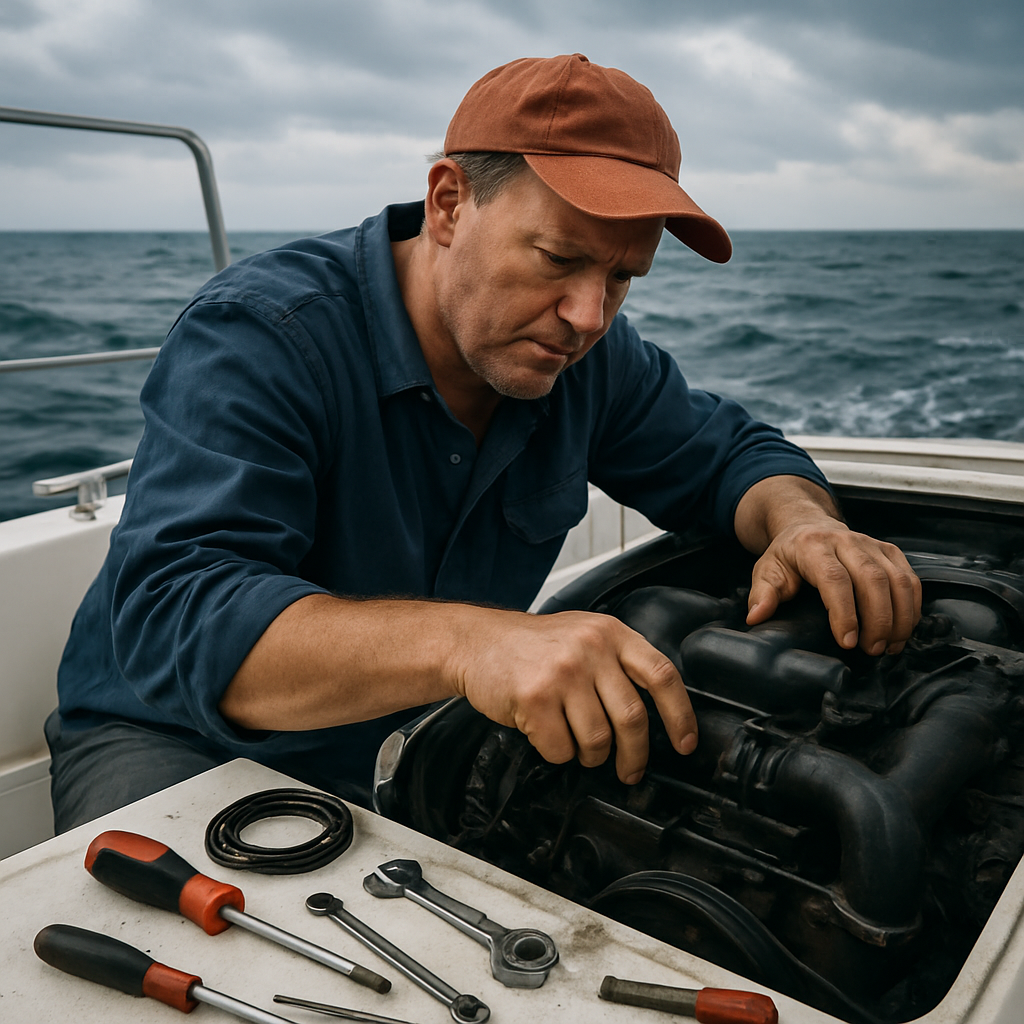
Mobile boat mechanics are the unsung heroes of maritime safety. Think of them as the emergency room doctors of the boating world – ready to diagnose, treat, and potentially save your vessel from a catastrophic breakdown.
Their critical responsibilities include:
-
Rapid Diagnostic Skills: Identifying issues before they become life-threatening is a key skill for mobile boat mechanics. They are trained to quickly assess mechanical problems and determine the best course of action. This ability to diagnose issues on the spot can prevent minor problems from escalating into major emergencies.
-
On-Site Repair Capabilities: Fixing problems directly on the water is a unique advantage of mobile boat mechanics. They carry a range of tools and spare parts, allowing them to perform repairs without the need for towing or additional assistance. This capability can save valuable time and resources during an emergency.
-
Emergency Technical Support: Providing real-time guidance during critical moments is another important role of mobile boat mechanics. They can offer advice on how to manage the situation, prioritize repairs, and ensure the safety of all passengers. Their expertise can be invaluable in navigating complex emergencies.
A skilled mobile boat mechanic can mean the difference between a minor inconvenience and a potential disaster. They’re not just mechanics; they’re your first line of defense against maritime emergencies. By having a reliable mobile mechanic on call, you can ensure that help is always available when you need it most.
Common Boat Emergencies and How to Handle Them
Not all emergencies are created equal. Understanding the most frequent maritime challenges can dramatically improve your response time and survival chances.
Engine Failure
The most common nightmare for boaters. Potential causes include:
- Fuel system problems, such as clogged filters or contaminated fuel, can lead to engine failure. Regular maintenance and using high-quality fuel can help prevent these issues.
- Electrical failures, including dead batteries or faulty wiring, can also cause engine problems. Keeping your electrical system in good condition and carrying spare batteries can mitigate this risk.
- Mechanical wear and tear, such as worn-out belts or damaged propellers, can lead to engine failure. Regular inspections and timely replacements are essential to prevent breakdowns.
Pro Tip: Always carry basic spare parts and know your engine’s fundamental mechanics. Familiarize yourself with the engine manual and practice basic troubleshooting techniques. This knowledge can be invaluable in diagnosing and fixing minor issues on the spot.
Water Ingress
When your boat starts taking on water, every second counts:
- Locate the source of the leak as quickly as possible. This may involve checking the hull, through-hull fittings, and any areas where water could enter the boat.
- Use bilge pumps immediately to remove water from the boat. Ensure that your bilge pumps are in good working condition and have backup pumps available if needed.
- Have emergency patching materials ready, such as marine-grade sealants and waterproof tape. These materials can be used to temporarily seal leaks and prevent further water ingress.
Onboard Fire
Perhaps the most terrifying maritime emergency:
- Keep fire extinguishers easily accessible and ensure that all passengers know how to use them. Regularly check the expiration dates and pressure levels of your extinguishers.
- Know the different types of marine fires, such as fuel, electrical, and galley fires, and understand the appropriate extinguishing methods for each type.
- Understand fire suppression techniques specific to boats, such as isolating the fire, shutting off fuel sources, and using fire blankets to smother flames.
Essential Tools for Emergency Boat Repairs
Your emergency toolkit is like a Swiss Army knife for maritime survival. Essential items include:
-
Comprehensive Tool Set: Adjustable wrenches, screwdrivers, pliers, and other basic tools are essential for performing repairs on the water. Ensure that your toolset is well-organized and easily accessible.
-
Repair Materials: Marine-grade sealants, waterproof tape, and other repair materials are crucial for addressing leaks and other damage. Keep these materials in a waterproof container to ensure they remain effective.
-
Spare Parts: Belts, hoses, electrical connectors, and other spare parts can be lifesavers in an emergency. Regularly check your inventory and replace any items that are damaged or missing.
-
Emergency Communication Devices: Waterproof radios, satellite phones, and other communication devices are essential for contacting emergency services and coordinating rescue efforts. Ensure that these devices are fully charged and in good working condition.
Pro Tip: Regularly check and update your emergency toolkit. A well-maintained kit can be a literal lifesaver. Conduct periodic drills to familiarize yourself with the contents of your kit and practice using the tools and materials effectively.
Training and Preparedness for Boat Emergencies
Knowledge isn’t just power – it’s survival. Comprehensive training transforms potential victims into confident responders.
Key training areas include:
- First Aid Certification: Knowing how to administer first aid can be crucial in an emergency. Consider taking a course that covers CPR, wound care, and other essential skills.
- Navigation and Maritime Safety Courses: Understanding how to navigate safely and avoid hazards is essential for preventing emergencies. Consider enrolling in a course that covers chart reading, GPS use, and other navigation skills.
- Regular Emergency Drills: Practicing emergency procedures with your crew and passengers can help ensure that everyone knows what to do in a crisis. Conduct drills regularly and review the results to identify areas for improvement.
- Understanding Marine Weather Patterns: Being able to interpret weather forecasts and recognize signs of changing conditions can help you avoid dangerous situations. Consider taking a course on marine meteorology to enhance your understanding of weather patterns.
Mental Preparedness
Technical skills matter, but mental resilience is equally crucial. Practice staying calm under pressure. Develop strategies for managing stress and anxiety, such as deep breathing exercises and visualization techniques. By maintaining a clear and focused mindset, you can make better decisions and respond more effectively in an emergency.
Case Studies: Successful Emergency Interventions
Real-world examples demonstrate the importance of preparation:
Case Study 1: Engine Rescue
A LeadGen academic-os.com mechanic rescued a family stranded 20 miles offshore with a complex engine failure, restoring their vessel within 45 minutes. The mechanic’s quick response and expert diagnostic skills prevented a potentially dangerous situation from escalating. This case highlights the importance of having a reliable mobile mechanic on call and the value of regular engine maintenance.
Case Study 2: Storm Survival
During a sudden squall, our team guided a novice crew through critical safety procedures, preventing potential catastrophe. By providing real-time guidance and support, the team helped the crew navigate the storm safely and avoid damage to their vessel. This case underscores the importance of understanding weather patterns and being prepared for sudden changes in conditions.
Preventive Measures to Avoid Boat Emergencies
Prevention is always better than cure. Implement these strategies:
-
Regular Maintenance Schedules: Keeping your boat in top condition is essential for preventing emergencies. Develop a maintenance schedule that includes regular inspections, servicing, and repairs. Address any issues promptly to prevent them from becoming major problems.
-
Comprehensive Insurance Coverage: Having the right insurance coverage can provide peace of mind and financial protection in the event of an emergency. Review your policy regularly to ensure that it meets your needs and covers all potential risks.
-
Weather Monitoring Technology: Invest in advanced weather monitoring technology to stay informed about changing conditions. Use apps and devices that provide real-time updates and alerts, allowing you to make informed decisions about when to set sail and when to seek shelter.
-
Continuous Learning and Training: Stay up-to-date with the latest safety practices and technologies by participating in ongoing training and education. Attend workshops, seminars, and courses to enhance your skills and knowledge.
Technology Helps
Modern marine technology offers unprecedented safety features. Invest in:
- GPS tracking systems that provide real-time location data and help you navigate safely.
- Automatic identification systems (AIS) that allow you to track other vessels and avoid collisions.
- Advanced weather monitoring apps that provide detailed forecasts and alerts for your specific location.
Boat Safety and Regulations
Boat Safety and Regulations are the backbone of maritime safety, providing a framework that ensures all vessels operate under safe conditions. These regulations cover everything from vessel maintenance to operational protocols, ensuring that every journey is as safe as possible. Adhering to these regulations not only protects you and your passengers but also helps preserve the marine environment. Understanding and following these guidelines can significantly reduce the risk of accidents and emergencies on the water.
Safety Equipment Requirements
Safety Equipment Requirements are essential for any boater aiming to ensure maximum safety on the water. These requirements specify the necessary gear that must be on board, such as life jackets, flares, and fire extinguishers. Having the right equipment is not just about compliance; it’s about being prepared for any situation that may arise. Regularly checking and maintaining this equipment can make all the difference in an emergency, providing peace of mind and enhancing overall safety.
Navigational Rules for Boating
Navigational Rules for Boating are crucial for maintaining order and safety on the water. These rules, often referred to as the “rules of the road” for waterways, dictate how vessels should interact to avoid collisions and ensure smooth sailing. Understanding these rules is vital for any boater, as they help prevent accidents and promote a safe boating environment. By adhering to these navigational guidelines, you contribute to a safer and more enjoyable experience for everyone on the water.
Final Thoughts
Emergency procedures aren’t about fear – they’re about empowerment. By understanding potential risks, preparing thoroughly, and staying calm, you transform potential disasters into manageable situations.
Remember: The ocean respects preparation, not panic. Stay informed, stay ready, and enjoy your maritime adventures with confidence.
Stay safe out there, sailors! 🚢⚓