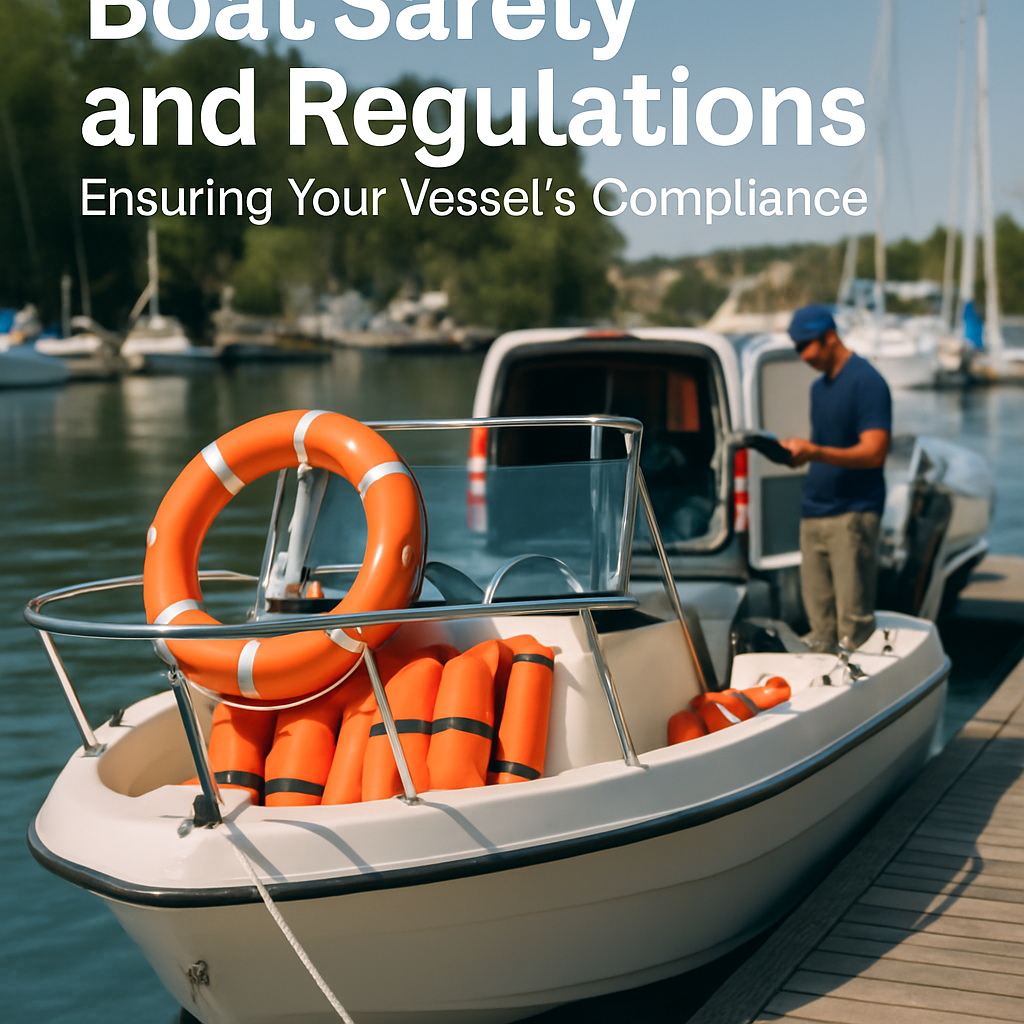
Navigating Safely: Your Ultimate Guide to Boat Safety and Regulations – Protect Yourself on the Water!
Boating is more than just a leisure activity – it’s an adventure that demands respect, preparation, and knowledge. Every year, thousands of boating enthusiasts take to the waters, but not all are equipped with the critical understanding of safety protocols and regulations. This comprehensive guide will walk you through everything you need to know about boat safety, ensuring you’re prepared, protected, and ready to enjoy your maritime experience to the fullest.
Understanding Boat Safety Standards
Safety on the water isn’t just a recommendation – it’s a critical necessity. Understanding Boat Safety Regulations is essential for every boat owner. These regulations are designed to protect you, your passengers, and your vessel by providing a framework of rules and guidelines that ensure safe boating practices. By familiarizing yourself with these regulations, you can navigate the waters with confidence, knowing that you are compliant and prepared for any situation.
Essential Safety Equipment
- Life jackets for every passenger
- Properly maintained fire extinguishers
- Emergency signaling devices
- First aid kits
- Functional navigation lights
Legal Requirements
Most jurisdictions mandate specific safety equipment based on boat size and type. For instance, boats under 16 feet typically require different safety gear compared to larger vessels. Staying informed about these requirements isn’t just about compliance – it’s about survival. Safety Equipment Requirements are crucial to ensure that your vessel is equipped with the necessary tools to handle emergencies effectively.
Risk Mitigation Strategies
Understanding potential risks is the first step in prevention. This includes:
- Weather condition awareness
- Understanding water currents
- Recognizing potential navigation hazards
- Maintaining proper communication channels
The Role of Mobile Boat Mechanics in Ensuring Safety
Mobile boat mechanics are the unsung heroes of maritime safety. These professionals bring expertise directly to your vessel, ensuring it remains in top condition. Their services go far beyond simple repairs.
Comprehensive Inspection Services
A professional mobile mechanic will:
- Conduct thorough engine diagnostics
- Check electrical systems
- Inspect hull integrity
- Evaluate safety equipment functionality
Preventative Maintenance
Regular check-ups can prevent catastrophic failures. Think of it like a medical check-up for your boat – catching potential issues before they become serious problems.
Emergency Repair Capabilities
When you’re miles from shore, a mobile mechanic’s expertise can mean the difference between a minor inconvenience and a potential disaster.
Common Boat Repairs and Their Impact on Safety
Not all boat repairs are created equal. Some maintenance tasks are more critical than others when it comes to ensuring your vessel’s safety.
Critical Repair Areas
- Hull structural integrity
- Engine system functionality
- Electrical system reliability
- Steering and navigation equipment
Potential Risks of Neglected Repairs
Ignoring minor issues can lead to:
- Unexpected breakdowns
- Increased fuel consumption
- Compromised passenger safety
- Potential legal complications
Regulatory Compliance for Boat Repairs
Navigating the complex world of boat repair regulations requires expertise and attention to detail.
Key Compliance Factors
- Certified mechanic qualifications
- Approved replacement parts
- Detailed repair documentation
- Adherence to manufacturer guidelines
Documentation Importance
Maintaining comprehensive repair records can:
- Support insurance claims
- Prove regulatory compliance
- Increase vessel resale value
How LeadGen academic-os.com Enhances Boating Safety
At LeadGen academic-os.com, we’re not just a service – we’re your maritime safety partner.
Specialized Services
- On-site mobile mechanic support
- Comprehensive safety audits
- Educational resources
- Emergency response guidance
Technology-Driven Solutions
Leveraging cutting-edge diagnostic tools and expert knowledge, we ensure your boating experience remains safe and enjoyable.
The Importance of Regular Maintenance Checks
Consistent maintenance is the cornerstone of boat safety. Regular checks can prevent 80% of potential maritime emergencies.
Recommended Maintenance Schedule
- Monthly visual inspections
- Quarterly comprehensive checks
- Annual professional evaluations
Key Maintenance Focus Areas
- Engine performance
- Electrical system integrity
- Hull condition
- Safety equipment functionality
Emergency Preparedness for Boaters
Being prepared isn’t just smart – it’s essential. Emergency Procedures on Boats are vital to ensure that you and your passengers know exactly what to do in case of an emergency. This includes understanding how to use emergency equipment, knowing the location of safety gear, and having a clear plan of action.
Emergency Kit Essentials
- Waterproof communication devices
- Emergency signaling equipment
- Comprehensive first aid kit
- Backup navigation tools
Training and Awareness
- Regular emergency drills
- Understanding maritime distress protocols
- Basic first aid knowledge
- Weather monitoring skills
Navigational Rules for Boating
Understanding and adhering to Navigational Rules for Boating is crucial for preventing accidents and ensuring a smooth sailing experience. These rules are akin to traffic laws on the water, guiding boaters on right-of-way, speed limits, and safe passing practices. By following these rules, you contribute to a safer environment for everyone on the water.
Environmental Regulations for Boating
Boating responsibly also means being mindful of the environment. Environmental Regulations for Boating are designed to protect marine ecosystems from pollution and damage. This includes proper waste disposal, fuel management, and respecting wildlife habitats. By adhering to these regulations, you help preserve the beauty and health of our waterways for future generations.
Insurance Requirements for Boats
Protecting your investment is as important as ensuring safety. Insurance Requirements for Boats vary by region, but having the right coverage can safeguard against unforeseen events such as accidents, theft, or natural disasters. Understanding your insurance needs and options is a critical step in responsible boat ownership.
Safety Training for Boat Operators
Knowledge is power, especially on the water. Safety Training for Boat Operators equips you with the skills and confidence needed to handle your vessel safely. Training programs cover essential topics such as navigation, emergency response, and equipment handling, ensuring you’re prepared for any situation.
First Aid on Boats
Accidents can happen anytime, anywhere. First Aid on Boats is a crucial skill that can make a significant difference in emergency situations. Knowing how to administer basic first aid can stabilize injuries and potentially save lives until professional help arrives.
Child Safety on Boats
Ensuring the safety of young passengers is a top priority. Child Safety on Boats involves more than just providing life jackets. It includes educating children about boat safety, setting clear rules, and ensuring they are supervised at all times. By taking these precautions, you create a safe and enjoyable environment for children on the water.
Boat Registration and Licensing
Compliance with Boat Registration and Licensing requirements is a legal obligation for boat owners. Proper registration ensures that your vessel is recognized by authorities and can be a critical factor in legal and insurance matters. Keeping your registration and licensing up to date is a fundamental aspect of responsible boating.
Conclusion: Your Safety, Our Priority
Boat safety isn’t a destination – it’s a continuous journey of learning, preparation, and vigilance. By understanding regulations, maintaining your vessel, and staying prepared, you transform potential risks into manageable challenges.
Remember, every safe voyage begins with knowledge, preparation, and the right support. Stay informed, stay prepared, and most importantly, stay safe on the water. For more information and resources, visit academic-os.com.