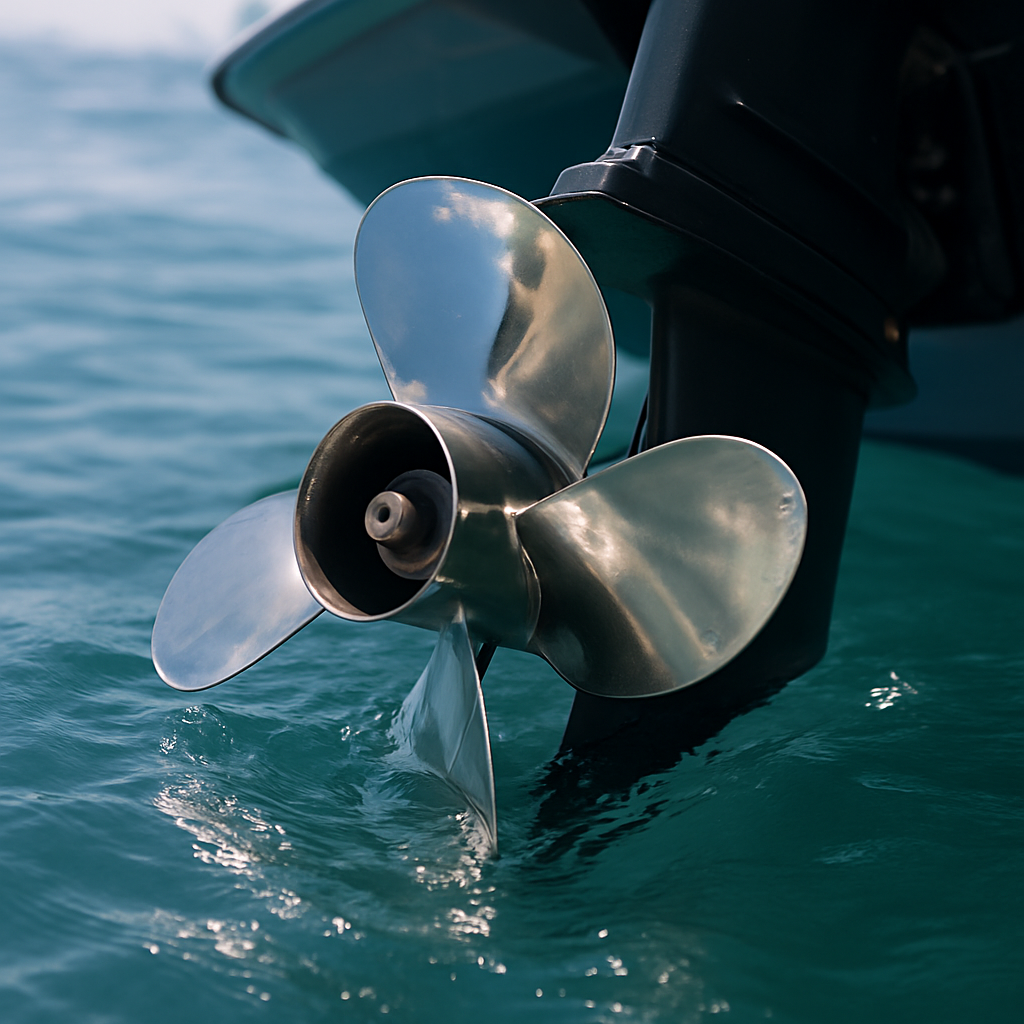
Unlock Your Boat’s Full Potential: The Ultimate Guide to Choosing the Right Propeller
Are you tired of sluggish boat performance, sky-high fuel costs, and frustrating handling? Your propeller might be the hidden culprit holding back your maritime adventures. In this comprehensive guide, we’ll dive deep into the world of boat propellers, helping you make the perfect choice that transforms your boating experience.
Understanding Propeller Basics for Optimal Performance
Choosing the right propeller is like finding the perfect pair of running shoes for an athlete. It’s not just about looks – it’s about performance, efficiency, and maximizing your boat’s potential.
At its core, a propeller is more than just a spinning piece of metal. It’s a complex piece of engineering that directly impacts how your boat moves through water. Let’s break down the key components:
Propeller Anatomy 101
- Diameter: Think of this as the propeller’s wingspan. A larger diameter means more power and better acceleration. It’s crucial for boats that need to carry heavy loads or require more thrust to get moving.
- Pitch: This is how far the propeller would theoretically move in one complete rotation. Higher pitch means more speed, but potentially less acceleration. It’s like the gears on a bicycle; a higher pitch is like a higher gear.
- Blade Count: More blades can mean smoother operation, but they’re not always the best solution for every boat. More blades can increase drag, which might reduce top speed but can improve handling in rough waters.
Pro tip: Don’t make the mistake of thinking one-size-fits-all. Your boat’s specific characteristics – weight, engine power, and typical use – all play crucial roles in propeller selection. A mismatch can lead to poor performance and increased wear on your engine.
How Propeller Choice Impacts Fuel Efficiency
Let’s talk money – because the right propeller can literally save you hundreds of dollars in fuel costs. Imagine cutting your fuel consumption by 10-15% just by choosing the right propeller. Sounds too good to be true? It’s not.
Fuel Efficiency Factors
- Matching Propeller to Engine Power: An overworked engine burns more fuel. A propeller that matches your engine’s power output ensures that your engine operates efficiently.
- Maintaining Optimal RPM Range: Every engine has a sweet spot, an RPM range where it runs most efficiently. A well-chosen propeller keeps your engine in this range, reducing fuel consumption.
- Reducing Unnecessary Drag: A propeller that’s too large or has too many blades can create drag, making your engine work harder and burn more fuel.
Real-world example: A client of ours reduced their fuel consumption by 12% simply by switching to a more appropriate propeller. That’s like getting free fuel for weeks! This change not only saved money but also extended the engine’s lifespan by reducing unnecessary strain.
The Role of Propeller Size in Boat Handling
Size matters – especially when it comes to boat propellers. It’s a delicate balance between power, speed, and maneuverability.
Matching Propeller to Boat Type
- Small Boats: Typically benefit from smaller, more responsive propellers. These propellers allow for quick acceleration and nimble handling, perfect for water sports or navigating tight spaces.
- Larger Vessels: Require propellers that can handle more substantial loads. Larger propellers provide the necessary thrust to move heavy boats efficiently, especially important for commercial or transport vessels.
- Performance Boats: Need propellers that balance speed and acceleration. These boats often use specialized propellers designed for high-speed operation, ensuring they can reach top speeds without sacrificing control.
Interesting fact: A propeller that’s just 1-2 inches off in size can dramatically change your boat’s handling characteristics. This small difference can mean the difference between smooth sailing and a frustrating day on the water.
Material Matters: Choosing the Right Propeller Material
Not all propeller materials are created equal. Each comes with its own set of pros and cons:
Propeller Material Breakdown
- Aluminum
- Pros: Lightweight, affordable, and easy to repair. Aluminum propellers are a great choice for casual boaters who don’t need the highest performance.
- Cons: Less durable, prone to damage from impacts. They can bend or break more easily than other materials.
- Best for: Casual boaters, smaller boats, and those on a budget.
- Stainless Steel
- Pros: Extremely durable, high performance, and resistant to corrosion. Stainless steel propellers offer superior strength and longevity.
- Cons: More expensive and heavier, which can affect acceleration.
- Best for: Serious boaters, high-performance vessels, and those who frequently boat in rough conditions.
- Composite
- Pros: Lightweight, corrosion-resistant, and often more affordable than stainless steel. Composite propellers can offer a good balance of performance and cost.
- Cons: Less traditional, may have limited durability compared to metal options.
- Best for: Specialized applications where weight and corrosion resistance are priorities.
Common Propeller Issues and How to Fix Them
Even the best propellers can run into trouble. Here are the most common issues and quick fixes:
Troubleshooting Propeller Problems
- Cavitation: Those pesky air bubbles that kill performance. Cavitation can be caused by damage to the propeller or incorrect size. It creates a loss of thrust and can damage the propeller over time.
- Vibration: The telltale sign of a propeller in distress. Vibration often indicates a bent blade or an unbalanced propeller. Regular inspection and balancing can prevent this issue.
- Corrosion: The silent killer of marine equipment. Saltwater is particularly harsh on metal propellers. Regular cleaning and protective coatings can help mitigate this.
Quick Diagnostic Checklist:
- Check for visible damage: Look for nicks, bends, or cracks in the blades.
- Listen for unusual sounds: Grinding or knocking sounds can indicate a problem.
- Monitor boat performance: If your boat isn’t performing as it should, the propeller might be to blame.
- Regular maintenance is key: Routine checks can catch issues before they become serious problems.
Mobile Boat Mechanic Tips for Propeller Maintenance
Prevention is always better than cure. Our mobile mechanics have seen it all and have some killer tips:
Maintenance Must-Dos
- Inspect after every major trip: Look for signs of wear or damage.
- Clean thoroughly: Remove any debris or marine growth that can affect performance.
- Check for subtle signs of wear: Even small nicks can lead to bigger problems.
- Balance regularly: An unbalanced propeller can cause vibration and damage.
- Store properly during off-season: Protect your propeller from the elements when not in use.
Pro Mechanic Insight: Most propeller issues can be prevented with just 15-20 minutes of regular maintenance. This small investment of time can save you from costly repairs and downtime.
Case Studies: Successful Propeller Repairs by Academic-OS
We don’t just talk the talk – we walk the walk. Here are real-world examples of how we’ve helped boat owners:
Success Story 1: Fishing Charter Transformation
A local fishing charter was struggling with high fuel costs and poor performance. Our team:
- Analyzed existing propeller
- Recommended custom propeller solution
- Resulted in 15% fuel savings and improved speed
Success Story 2: Racing Boat Performance Boost
A competitive racing boat owner needed precision. We:
- Conducted detailed propeller analysis
- Custom-fitted a high-performance propeller
- Improved race times by critical seconds
Boat Parts and Accessories
Boat Parts and Accessories are essential for maintaining and enhancing your vessel’s performance. From propellers to navigation systems, having the right parts can make all the difference. Whether you’re looking to replace a worn-out component or upgrade to something more efficient, understanding the variety of available options is crucial. This knowledge not only helps in choosing the right propeller but also ensures that every part of your boat is optimized for peak performance. Investing in quality parts can prevent unexpected breakdowns and extend the life of your boat.
Upgrading Boat Accessories
Upgrading Boat Accessories can significantly enhance your boating experience. Whether it’s installing a new propeller for better speed or adding advanced navigation tools, upgrades can transform your time on the water. Consider the impact of modern technology and materials on your boat’s efficiency and performance. By investing in quality upgrades, you ensure a smoother, more enjoyable journey every time you set sail. Upgrades can also increase the resale value of your boat, making them a smart investment for the future.
Marine Electronics Selection
Marine Electronics Selection is a critical aspect of modern boating. With advancements in technology, choosing the right electronics can greatly improve safety, navigation, and overall enjoyment on the water. From GPS systems to fish finders, the right electronics can provide valuable information and enhance your boating experience. Make informed decisions to ensure your boat is equipped with the best tools for your needs. High-quality electronics can also improve communication and emergency response capabilities, providing peace of mind on every voyage.
Final Thoughts: Choosing the right propeller isn’t just about specs – it’s about understanding your boat’s unique needs. Whether you’re a weekend warrior or a serious maritime enthusiast, the perfect propeller can make all the difference.
Ready to unlock your boat’s true potential? Contact Academic-OS today for a personalized propeller consultation!
Disclaimer: Always consult with a professional marine mechanic before making significant modifications to your boat’s propulsion system.