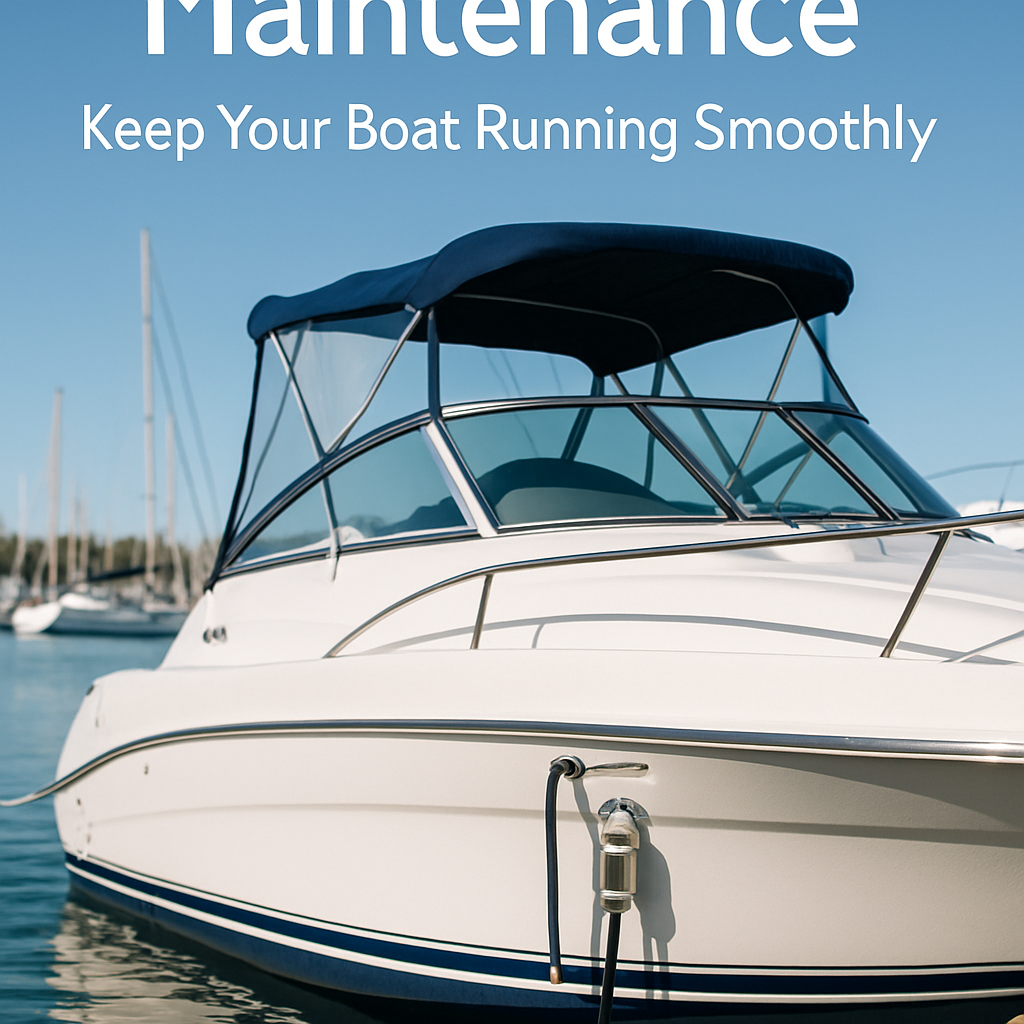
Fuel System Maintenance: Your Ultimate Guide to Keeping Your Boat Running Smoothly and Efficiently
Are you tired of unexpected breakdowns and costly repairs that can ruin your perfect day on the water? Imagine cruising confidently, knowing your boat’s fuel system is in top-notch condition. This comprehensive guide will transform your boat maintenance approach, saving you time, money, and endless frustration.
Understanding the Basics of Fuel System Maintenance
Fuel system maintenance isn’t just a technical chore—it’s the lifeline of your boat’s performance. Think of it like taking care of your body’s circulatory system. Just as you need clean blood flowing smoothly, your boat needs clean fuel moving efficiently through its veins.
At its core, fuel system maintenance involves several critical components:
- Fuel tanks
- Fuel lines
- Filters
- Injectors
- Fuel pumps
Each of these elements plays a crucial role in ensuring your boat’s engine receives a consistent, clean fuel supply. Neglecting any part can lead to significant performance issues and potentially expensive repairs.
Key Maintenance Principles
- Regular Inspection: Regularly inspect all components of the fuel system for signs of wear and tear. This includes checking for leaks, corrosion, and any visible damage.
- Proactive Cleaning: Clean fuel tanks and lines to prevent the buildup of sludge and contaminants. This can be done using specialized cleaning agents designed for marine engines.
- Timely Component Replacement: Replace worn-out parts promptly to avoid further damage. This includes fuel filters, which should be changed according to the manufacturer’s recommendations.
- Using High-Quality Fuel Additives: Fuel additives can help maintain the cleanliness of the fuel system and improve engine performance. They can also prevent the formation of deposits in the fuel injectors.
Common Fuel System Issues in Boats and How to Fix Them
Boat owners frequently encounter specific fuel system challenges that can quickly turn a pleasant day on the water into a frustrating experience. Let’s break down the most common issues:
Fuel Contamination
Water and debris are the primary culprits behind fuel system problems. Marine environments are particularly harsh, making contamination a constant threat. Signs of contamination include:
- Engine sputtering
- Reduced performance
- Unusual exhaust smoke
- Difficulty starting the engine
Pro Tip: Invest in high-quality water-separating fuel filters and replace them regularly. Additionally, consider using a fuel stabilizer to prevent phase separation in ethanol-blended fuels.
Fuel Line Degradation
Saltwater, UV exposure, and temperature fluctuations can cause fuel lines to crack and deteriorate. Inspect your fuel lines at least twice a season, looking for:
- Visible cracks
- Soft or brittle sections
- Loose connections
- Signs of leakage
If you notice any of these issues, replace the affected lines immediately. Use marine-grade fuel lines that are resistant to ethanol and UV damage.
Clogged Injectors
Dirty injectors can significantly impact your boat’s performance. They restrict fuel flow and cause uneven engine operation. Symptoms include:
- Rough idling
- Decreased fuel efficiency
- Loss of power
- Increased emissions
To clean clogged injectors, you can use a fuel injector cleaner or have them professionally serviced. Regular use of fuel additives can also help keep injectors clean.
The Importance of Regular Fuel System Checks for Boats
Prevention is always cheaper than cure—especially when it comes to boat maintenance. Regular fuel system checks can:
- Prevent unexpected breakdowns
- Extend engine life
- Improve fuel efficiency
- Reduce long-term repair costs
Experts recommend a comprehensive fuel system check at least twice per boating season or every 100 hours of operation. During these checks, pay attention to the condition of the fuel tank, lines, and filters. Also, ensure that the fuel pump is operating correctly and that there are no signs of fuel leaks.
How LeadGen academic-os.com Ensures Optimal Fuel System Performance
At LeadGen academic-os.com, we don’t just repair boats—we provide peace of mind. Our specialized team uses cutting-edge diagnostic tools to:
- Perform detailed fuel system assessments
- Identify potential issues before they become problems
- Provide customized maintenance solutions
- Offer expert recommendations tailored to your specific boat
Our approach is comprehensive, covering everything from routine inspections to complex repairs. We understand that each boat is unique, and we tailor our services to meet the specific needs of your vessel. Whether it’s a simple filter replacement or a complete fuel system overhaul, we have the expertise to get the job done right.
Mobile Boat Mechanic Services: Fuel System Maintenance On-the-Go
Convenience meets expertise with our mobile boat mechanic services. We understand that boat owners have busy lives, which is why we bring professional maintenance directly to you. Our mobile services include:
- Comprehensive fuel system inspections
- On-site repairs
- Emergency troubleshooting
- Flexible scheduling
Our mobile mechanics are equipped with the latest tools and technology to handle any fuel system issue on the spot. This means you can enjoy more time on the water and less time worrying about maintenance. Whether you’re at the marina or on a remote dock, our team is ready to assist you.
Tips for DIY Fuel System Maintenance for Boat Owners
While professional services are invaluable, boat owners can also take proactive steps:
Essential DIY Maintenance Checklist
- Inspect Fuel Lines Monthly: Regularly check for signs of wear or damage. Replace any lines that show signs of cracking or brittleness.
- Check for Water Contamination: Use a water-separating fuel filter and regularly drain any accumulated water.
- Use Fuel Stabilizers During Storage: This prevents fuel degradation and phase separation, especially in ethanol-blended fuels.
- Clean Fuel Filters Regularly: Replace filters according to the manufacturer’s schedule to ensure optimal performance.
- Monitor Fuel Quality: Always use high-quality fuel and avoid filling up at stations with questionable fuel quality.
When to Call a Professional
Some issues require expert intervention. Don’t hesitate to contact professionals if you notice:
- Persistent performance issues
- Complex mechanical problems
- Significant component wear
Professional mechanics have the tools and expertise to diagnose and fix issues that may be beyond the scope of DIY maintenance. Regular professional inspections can also catch potential problems early, saving you time and money in the long run.
Choosing the Right Fuel System Parts for Your Boat
Not all boat parts are created equal. Consider these factors when selecting fuel system components:
- Manufacturer Compatibility: Ensure that parts are compatible with your boat’s make and model.
- Material Quality: Opt for parts made from high-quality materials that can withstand the harsh marine environment.
- Corrosion Resistance: Choose components that are resistant to corrosion, especially if you operate in saltwater.
- Warranty Coverage: Look for parts that come with a warranty, providing peace of mind and protection against defects.
Insider Tip: Always consult with marine professionals before making significant replacements. They can provide valuable insights and recommendations based on your specific needs.
Recommended Brands
- Sierra Marine Parts
- Quicksilver
- Mercury Marine
- Yamaha Genuine Parts
Boat Maintenance
Boat maintenance is a holistic approach that goes beyond just the fuel system. It encompasses various aspects such as Electrical System Checks and Safety Equipment Checks. Regularly checking your boat’s electrical systems ensures that all components are functioning correctly, preventing potential hazards. Similarly, safety equipment checks are vital to ensure that all life-saving devices are in working order, providing peace of mind while you’re out on the water. By integrating these checks into your routine, you can ensure a safe and enjoyable boating experience.
Conclusion: Your Boat’s Performance Starts with Proper Fuel System Maintenance
By implementing these strategies and staying proactive, you’ll ensure your boat remains a reliable companion on countless adventures. Remember, a well-maintained fuel system isn’t an expense—it’s an investment in endless maritime memories.
Ready to take your boat maintenance to the next level? Contact LeadGen academic-os.com today and experience the difference professional care can make!