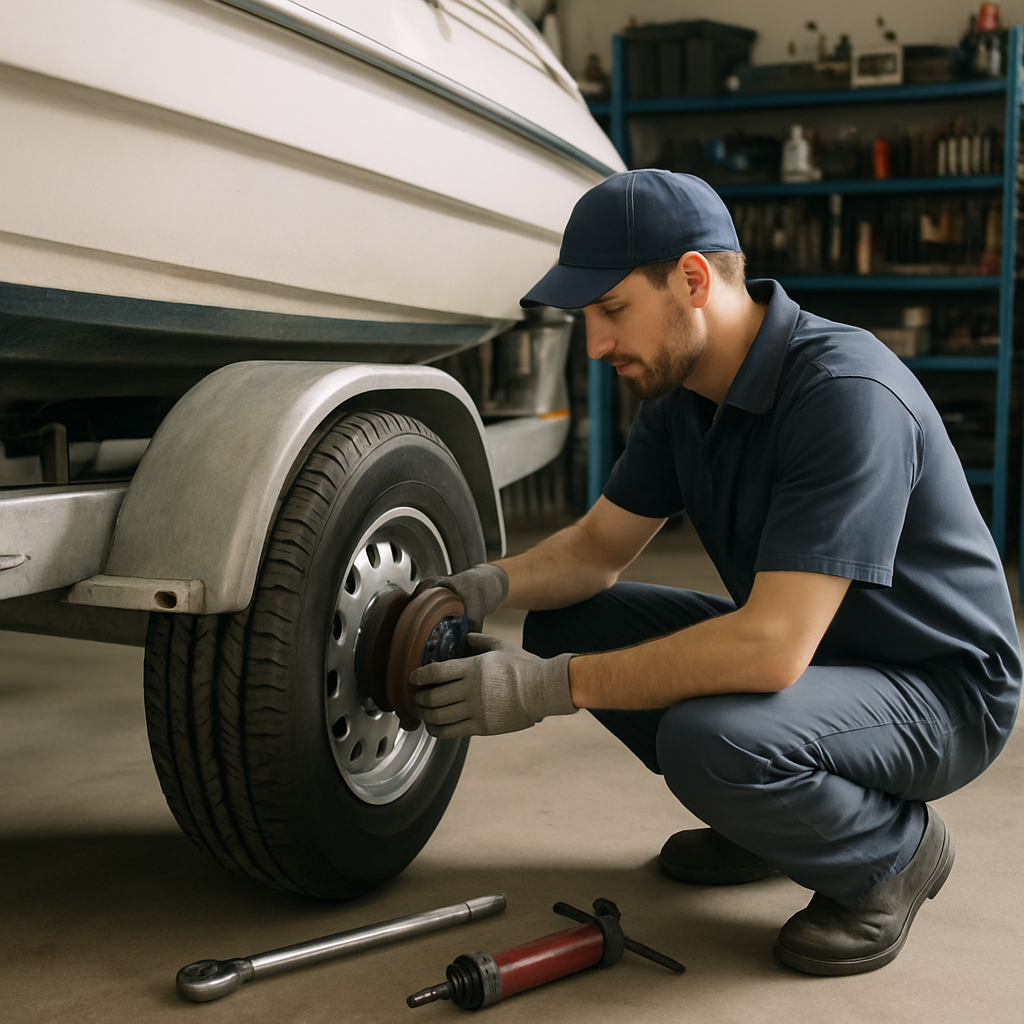
Boat Trailer Repair: Your Ultimate Guide to Keeping Your Vessel Moving Smoothly
Are you tired of unexpected trailer breakdowns ruining your boating adventures? Imagine hitting the road with complete confidence, knowing your boat trailer is in top-notch condition. Whether you’re a weekend warrior or a serious maritime enthusiast, understanding boat trailer repair can save you time, money, and endless frustration.
Understanding Common Boat Trailer Issues
Boat trailers are complex machines that face brutal environmental challenges. Picture this: saltwater, road debris, constant weight, and varying temperatures – it’s a recipe for potential problems. Let’s break down the most common issues you might encounter:
Corrosion and Rust Challenges
Saltwater is a trailer’s worst nightmare. Metal components can quickly deteriorate, creating weak points that compromise your trailer’s structural integrity. Coastal boaters know this struggle all too well – a small patch of rust can quickly become a major repair headache. Regularly inspecting your trailer for signs of rust and applying protective coatings can help mitigate this issue. Additionally, using galvanized or stainless steel components can provide extra resistance against corrosion.
Tire and Wheel Problems
Your trailer’s tires are its foundation. Uneven wear, improper inflation, and alignment issues can lead to:
- Unexpected blowouts
- Reduced fuel efficiency
- Increased risk of accidents
- Premature tire replacement
To prevent these issues, it’s crucial to check tire pressure before every trip and ensure that the tires are properly aligned. Rotating the tires regularly can also help distribute wear evenly, extending their lifespan. Investing in high-quality tires designed for trailers can further enhance safety and performance.
Brake System Complications
Trailer brakes are critical for safe transportation. Common issues include:
- Corroded brake lines
- Worn brake pads
- Electrical connection problems
- Hydraulic system failures
Regular maintenance of the brake system is essential. This includes flushing the brake fluid annually to prevent moisture buildup, which can lead to corrosion. Inspecting brake pads and rotors for wear and replacing them as needed will ensure optimal braking performance. For trailers with electric brakes, checking the wiring and connections is vital to avoid electrical failures.
Electrical and Lighting Concerns
Nothing’s more dangerous than driving with faulty trailer lights. Electrical issues can stem from:
- Damaged wiring
- Corroded connections
- Faulty ground wires
- Worn-out bulbs or circuits
To keep your trailer’s electrical system in top shape, regularly inspect all wiring and connections for signs of wear or corrosion. Applying dielectric grease to connections can help prevent moisture intrusion. Replacing old bulbs with LED lights can improve visibility and reduce the frequency of replacements.
The Importance of Regular Maintenance for Boat Trailers
Think of your boat trailer like a high-performance athlete – it needs consistent care and attention. Regular maintenance isn’t just recommended; it’s essential for preventing costly repairs and ensuring safety.
Comprehensive Inspection Checklist
- Examine frame for rust or structural damage
- Check tire pressure and tread depth
- Lubricate wheel bearings
- Test brake system functionality
- Inspect electrical connections
- Verify coupler and safety chain condition
Performing these inspections regularly can help catch potential issues before they become major problems. Keeping a maintenance log can also be beneficial, allowing you to track when each component was last serviced.
Seasonal Maintenance Tips
Different seasons bring unique challenges:
- Summer: Increased heat can accelerate wear, so ensure tires are properly inflated to handle the heat and check for any signs of dry rot.
- Winter: Cold temperatures affect metal and rubber components, so consider storing your trailer indoors or using a cover to protect it from the elements.
- Spring: Perfect time for thorough post-storage inspection, checking for any damage that may have occurred during the winter months.
- Fall: Prepare for storage or continued use by cleaning the trailer thoroughly and applying protective coatings to metal parts.
How to Choose the Right Parts for Your Boat Trailer Repair
Not all replacement parts are created equal. Your choice can mean the difference between a quick fix and a potential roadside disaster.
Key Considerations for Part Selection
- Exact model compatibility
- Material quality
- Manufacturer reputation
- Price-to-performance ratio
- Warranty coverage
When selecting parts, it’s important to consult your trailer’s manual to ensure compatibility. Opting for OEM (Original Equipment Manufacturer) parts can provide peace of mind, as they are designed specifically for your trailer model. However, high-quality aftermarket parts can also be a cost-effective alternative.
Recommended Brands and Resources
While we can’t play favorites, look for manufacturers with:
- Proven track records
- Positive customer reviews
- Comprehensive warranties
- Technical support
Online forums and communities can be valuable resources for recommendations and reviews from fellow boaters who have faced similar repair challenges.
Step-by-Step Guide to Repairing Your Boat Trailer
DIY repairs can be intimidating, but with the right approach, you can tackle many issues confidently.
Essential Tools for Trailer Repair
- Jack and jack stands
- Torque wrench
- Multimeter
- Grease gun
- Specialized trailer repair kit
- Safety equipment
Having the right tools on hand is crucial for successful repairs. Investing in a quality toolset can save you time and frustration in the long run.
Repair Process Breakdown
- Diagnose the specific issue
- Gather necessary tools and parts
- Safely lift and secure the trailer
- Remove damaged components
- Clean and prepare mounting surfaces
- Install new parts
- Test and verify repair
Taking a methodical approach to repairs can help ensure that nothing is overlooked. If you’re unsure about any step, consulting a professional or referring to online tutorials can provide additional guidance.
Mobile Boat Trailer Repair Services by Academic-OS
Sometimes, professional help is the smartest solution. Our mobile repair service brings expert mechanics directly to you, minimizing downtime and hassle.
Why Choose Professional Mobile Repair?
- Expertise in complex repairs
- Convenient on-site service
- Comprehensive diagnostic capabilities
- Quick turnaround times
- Guaranteed workmanship
Choosing a mobile repair service can be especially beneficial if you’re stranded on the road or lack the tools and expertise to perform repairs yourself. Academic-OS offers reliable and efficient service, ensuring your trailer is back in action as soon as possible.
Cost-Effective Solutions for Boat Trailer Repairs
Smart boat owners know that prevention is cheaper than cure. Here are strategies to manage repair costs:
Budget-Friendly Maintenance Strategies
- Perform regular self-inspections
- Address minor issues immediately
- Invest in quality parts
- Learn basic repair skills
- Maintain detailed maintenance records
By staying proactive with maintenance, you can avoid costly repairs down the line. Learning basic repair skills through workshops or online courses can also empower you to handle minor issues independently.
Potential Cost Savings
- Prevent major repair expenses
- Extend trailer lifespan
- Improve overall performance
- Reduce unexpected breakdown risks
Investing in preventive measures not only saves money but also enhances the safety and reliability of your trailer, allowing you to enjoy worry-free boating adventures.
Ensuring Safety and Longevity of Your Boat Trailer
Safety isn’t an option – it’s a necessity. Your trailer carries precious cargo, and cutting corners is never acceptable.
Safety Checklist
- Annual professional inspection
- Follow manufacturer maintenance guidelines
- Use high-quality replacement parts
- Stay informed about trailer technology
- Never ignore warning signs
Regular professional inspections can provide an expert assessment of your trailer’s condition, identifying issues that may not be apparent during routine checks.
Long-Term Preservation Techniques
- Store in covered, dry locations
- Use protective covers
- Regularly clean and lubricate components
- Monitor wear and tear
- Update equipment as needed
Proper storage and care can significantly extend the life of your trailer. Investing in a quality cover and keeping the trailer clean can prevent environmental damage and maintain its appearance.
By implementing these strategies, you’ll transform your boat trailer from a potential liability into a reliable transportation asset. Remember, a well-maintained trailer means more time enjoying the water and less time dealing with unexpected repairs.
Ready to become a boat trailer maintenance pro? Start with these tips, and you’ll be cruising confidently in no time!
Boat Repair Techniques
Boat Repair Techniques are essential for any boat owner looking to maintain their vessel’s performance and longevity. From addressing minor scratches to tackling major structural issues, understanding these techniques can save you significant time and money. Whether you’re dealing with hull damage or engine troubles, having a solid grasp of repair methods ensures your boat remains seaworthy. For those who prefer professional assistance, services like Academic-OS offer expert guidance and repairs, ensuring your boat is always ready for the next adventure.
Sail and Rigging Repairs
Sail and Rigging Repairs are crucial for maintaining the performance and safety of your sailing vessel. Over time, sails can become worn, and rigging can suffer from tension and environmental exposure. Regular inspections and timely repairs can prevent costly replacements and ensure your boat sails smoothly. Whether you’re a seasoned sailor or a weekend enthusiast, understanding the basics of sail and rigging maintenance can enhance your boating experience and keep you safe on the water.
Fiberglass Repair Methods
Fiberglass Repair Methods are vital for addressing common issues like cracks, holes, and delamination in fiberglass boats. These methods involve cleaning the damaged area, applying resin and fiberglass cloth, and finishing with sanding and painting. Mastering these techniques can extend the life of your boat and maintain its aesthetic appeal. For those less inclined to DIY, professional services are available to ensure high-quality repairs that restore your boat’s integrity and performance.